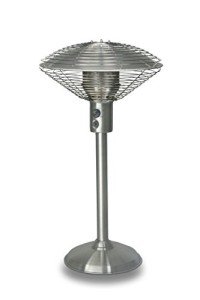
Gas Heating Solutions: An In-Depth Overview
Gas heating solutions play an essential role in offering comfort in homes and organizations, especially in chillier climates. With a variety of options available, it can be challenging to identify which system finest fulfills specific requirements. This post looks into the most popular gas heating solutions, their benefits, disadvantages, and considerations for installation. Moreover, we will address common concerns regarding gas heating to gear up readers with the knowledge they require to make educated decisions.
Comprehending Gas Heating Solutions
Gas heating unit utilize gas or propane to produce heat for domestic and commercial residential or commercial properties. These systems are preferred for their effectiveness, dependability, and ability to generate heat quickly. Listed below, we check out numerous kinds of gas heating solutions extensively used today.
Types of Gas Heating Solutions
Gas Furnaces
- Description: Gas furnaces burn natural gas or propane to heat air, which is then distributed throughout the building through ductwork.
- Efficiency: Rated by Annual Fuel Utilization Efficiency (AFUE), gas furnaces usually have effectiveness varying from 80% to 98%.
- Setup: Installed in a basement or closet, requiring ductwork for heat distribution.
Gas Boilers
- Description: Gas boilers heat water to offer warm water and hydronic heating (heat via water radiators).
- Efficiency: AFUE ratings can likewise be really high, rising to 95%.
- Setup: May require significant plumbing, and setup depends upon the type of radiators or underfloor heating utilized.
Gas Space Heaters
- Description: Standalone appliances designed to heat a single space or specific locations without the need for ductwork.
- Effectiveness: Varies depending on the model but usually effective for targeted heating.
- Installation: Relatively easy to install; can be vented or unvented depending on the design.
Gas Fireplaces
- Description: Aesthetic heating solutions that offer heat and visual appeal.
- Efficiency: Varies; gas fireplace inserts can be quite efficient.
- Installation: Requires an ideal chimney or venting option.
Advantages and disadvantages of Gas Heating Solutions
Pros
- Cost-Effective: Gas is typically cheaper than electricity for heating, which can decrease monthly utility costs.
- Quick Heating: Gas heating unit typically heat up areas more rapidly than electric systems.
- Reliability: Natural gas pipelines are typically trustworthy, supplying a constant energy supply.
- Ecological Impact: Natural gas burns cleaner than other nonrenewable fuel sources, producing less greenhouse gases.
Cons
- Installation Costs: Initial setup can be expensive, including costs for needed ductwork or pipes.
- Security Concerns: Gas systems can posture a threat of gas leaks and ought to be routinely preserved.
- Carbon Footprint: Although cleaner than other nonrenewable fuel sources, gas heating solutions still add to carbon emissions.
- Dependency on Infrastructure: Users count on gas infrastructure, which can be impacted by supply issues or emergency situations.
Secret Considerations for Choosing Gas Heating Solutions
When picking a gas heating system, numerous aspects should be taken into account:
- Energy Efficiency: Look for models with high AFUE ratings to make sure efficient energy use.
- Capability Needs: Consider the square video and heat requirements of the space to choose the appropriate size.
- Installation Space: Assess the layout of the home or organization to determine where a gas system can be set up.
- Spending plan: Weigh the long-term cost of operation against the initial setup expenses.
- Ventilation: Ensure sufficient ventilation for combustion byproducts for indoor gas heating units.
Installation and Maintenance
Professional installation is suggested for gas heating unit due to the complexities involved. Correct upkeep is likewise crucial for security and effectiveness. Routine evaluations by a certified service technician can include looking for gas leaks, guaranteeing the venting system is clear, and cleaning components to enhance efficiency.
Often Asked Questions (FAQs)
Q1: Is gas heating safe?A1: Gas heating is generally safe when effectively set up and kept. It is important to carry out regular upkeep and look for gas leaks. Q2: How can I discover a certified technician for gas heating installation? from this source : Look for certified HVAC contractors with experience in gas heater. Online
evaluations and recommendations from loved ones can provide excellent beginning points. Q3: What kinds of gas can be used for heating?A3: Natural gas and propane are the 2 primary types of gas used for heating
. Gas is supplied by means of pipelines, while propane is provided in tanks. Q4: How long does a gas heating unit last?A4: With appropriate maintenance, gas heaters and boilers can last 15-30 years, depending on use and care. Q5: Can I switch from electrical heating to gas heating?A5: Yes, changing is possible, however it may require modifications to existing ductwork and the setup of a gas
line. Seek advice from a professional to examine the expediency. Gas heating solutions are a popular choice for efficient and efficient heating in numerous settings. With options ranging from heaters to space heaters, there is an ideal service for practically every requirement. Before deciding, it is necessary to evaluate aspects such as effectiveness, setup needs, and costs. By understanding different gas heater, people can choose the best choice for their heating needs, ensuring convenience and security throughout the colder months.